Our Staff


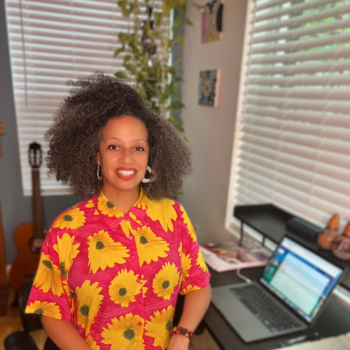
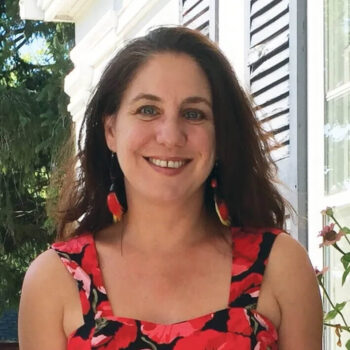
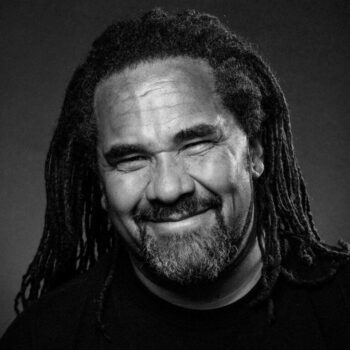
Niaz Dorry
Coordinating Director

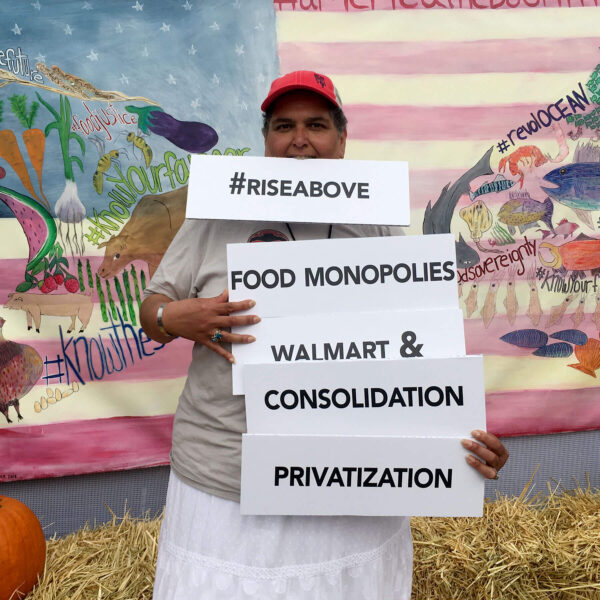
Niaz & her dog, Hailey, live in Gloucester, Massahcusetts - the oldest settled fishing port in the U.S. A survivor of Hurricane Katrina, Hailey is Niaz' daily reminder of all the fishing communities that are yet to be rebuilt since the Indian Ocean tsunami and Hurricanes Katrina and Rita. Niaz began working with small-scale, traditional, and indigenous fishing communities in the U.S. and from around the globe as a Greenpeace oceans and fisheries campaigner. After spending eleven years at Greenpeace, she went on to wroking on advancing the rights and ecological benefits of the small-scale fishing communities as a means of protecting global marine biodiversity independently. Time Magazine named Niaz as a Hero For The Planet for this work. Her fisheries articles appear regularly in Fishermen's Voice and SAMUDRA as well as a range of random publications. Niaz' work and approach have been noted in a number of books including Against the Tide, Deeper Shade of Green, The Spirit's Terrain, Vanishing Species, The Great Gulf, Swimming in Circles, A Troublemaker's Teaparty and The Doryman's Reflection. She is a graduate of the Rockwood Leadership Program’s Leading From Inside Out as well as Art of Leadership trainings. She most recently served as the Interim Chief Operations Office for the Healthy Building Network.

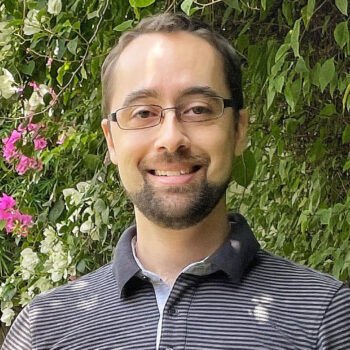
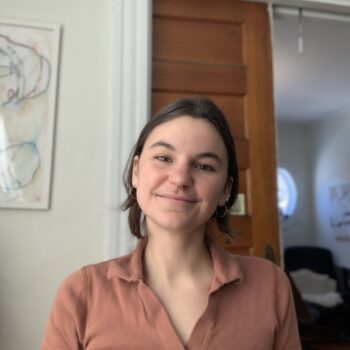
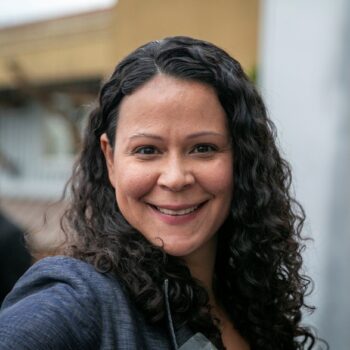
Andrianna Natsoulas

Food Justice and Seafood Market Coordinator

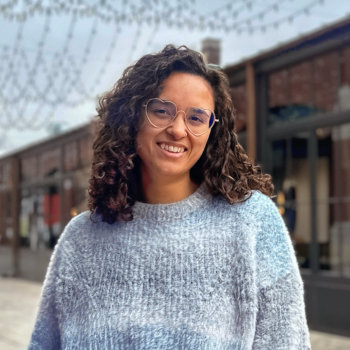
Andrianna has been an environmental and community activist for nearly two decades. During her master’s degree in ecosystems analysis and governance at the University of Warwick, she began her fisheries career by surveying local fishing cooperatives to develop co-management options in the United Kingdom. Since then, she has organized around fisheries policies, marine conservation and community empowerment in different capacities and venues. Andrianna coordinated with global food sovereignty movements to protect local food production and distribution, fight trade agreements and build alliances. Recently, she developed and directed a fisheries campaign at Food & Water Watch that fought fisheries privatization, protected consumer rights and challenged destructive aquaculture initiatives.

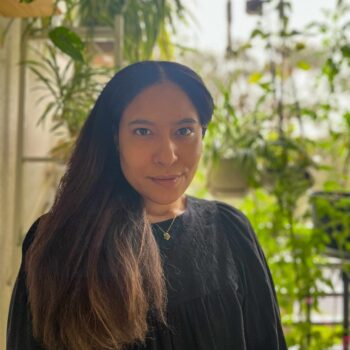
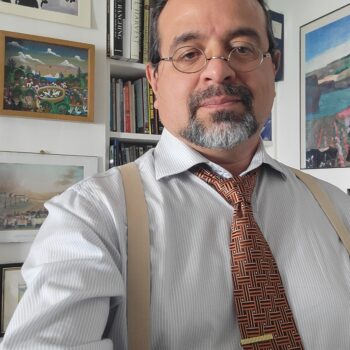
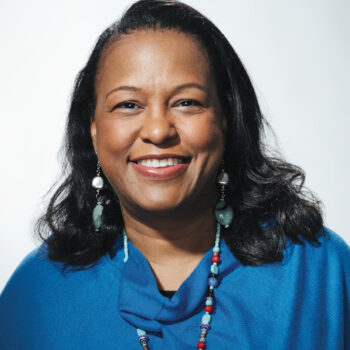
Boyce Thorne Miller
Science and Policy Coordinator

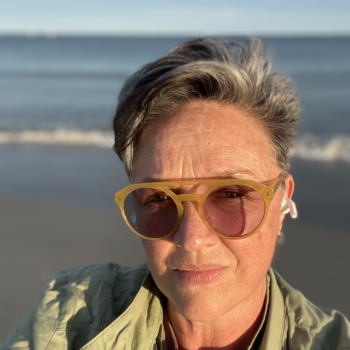
A marine ecologist and consultant, Boyce has worked for several international and national environmental organizations on marine pollution, marine biodiversity, community fisheries, marine protected areas and large marine ecosystem management, the precautionary principle, aquaculture, and the Endangered Species Act. She has served on government delegations and led observer NGO delegations in international treaties, expert working groups, and other intergovernmental forums. Boyce has authored or co-authored four books on marine biodiversity, as well as book chapters and papers on the application of the precautionary principle to international maritime law and fisheries. She has an MS in oceanography from the University of Rhode Island.

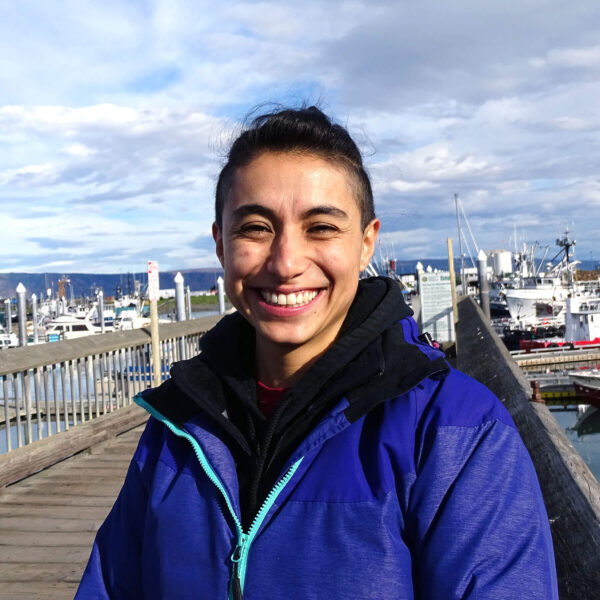
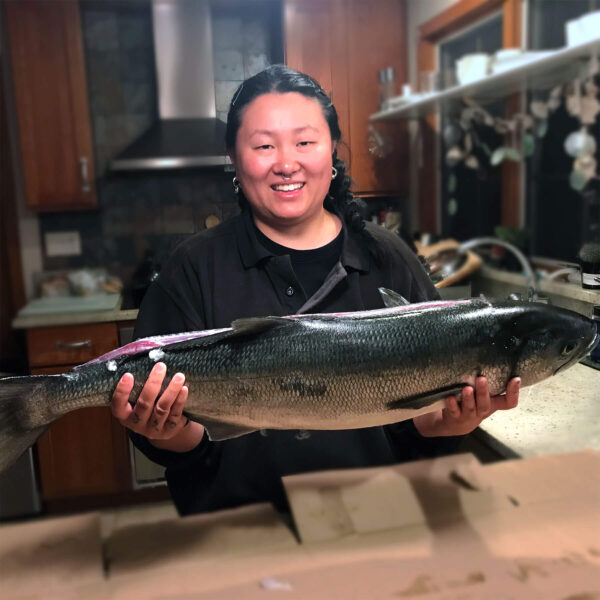
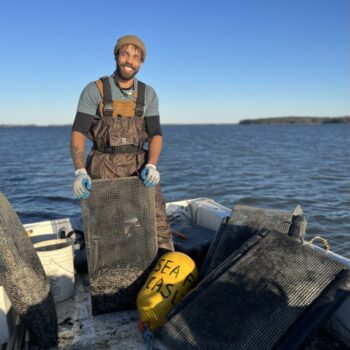
Brett Tolley

Community Organizer and Policy Advocate

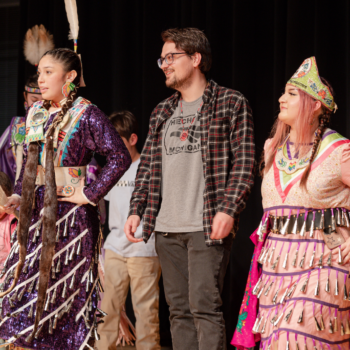
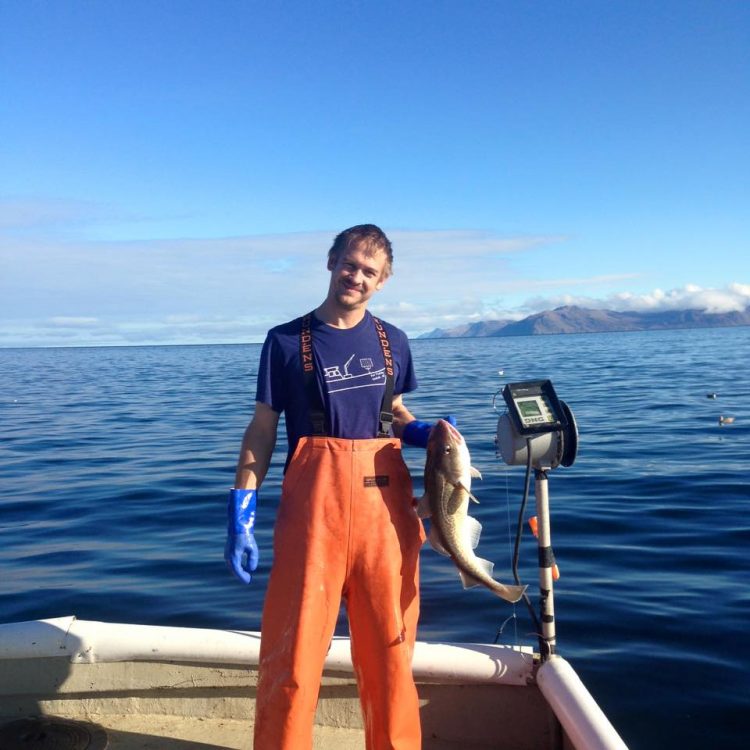
Brett comes from a four-generation commercial fishing family out of Cape Cod, MA.   He has worked in the fishing industry hanging nets, working on boats of various gear-types, and digging steamers on the flats of South Beach and Monomoy. Codfish and clams paid for his education at Elon University where he received a degree in International Relations with a focus on Social Justice.  Over the past four years Brett has worked in Brooklyn, New York as an Advocate and Community Organizer.  He fought in housing court for low-income tenants and helped organize a citywide campaign around health and housing rights.  Brett wrote and produced an award-winning documentary about the migrant experience along the U.S./Mexico border and was selected to the We Are All Brooklyn Fellowship Program.

“Local fishermen and fishing communities are disproportionately left out of the policy decisions that impact their lives. Power to protect and support fishing communities along with the ocean must be built from the bottom up.  The struggle over who shapes the future of fishing communities and the ocean is something I am fiercely dedicated to,” says Brett.